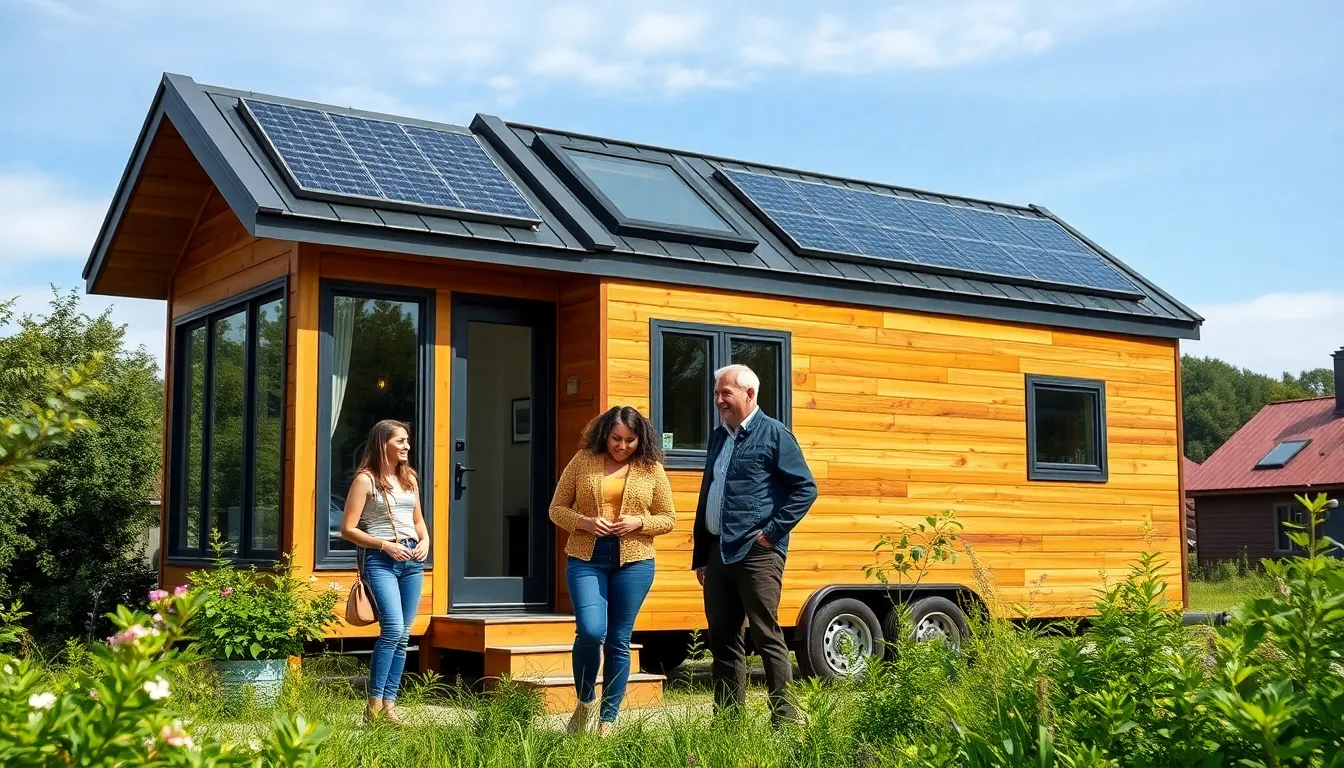
As families seek more sustainable and affordable living options, tiny homes are emerging as a popular solution. These compact dwellings offer a unique blend of functionality and creativity, allowing families to maximize their space while minimizing their environmental footprint. With innovative designs and smart storage solutions, tiny homes prove that size doesn’t have to compromise comfort or style.
The tiny home movement is more than just a trend; it represents a shift in how families view their living arrangements. By embracing a simpler lifestyle, families can focus on what truly matters: quality time together and financial freedom. This article explores the benefits of tiny homes for families, showcasing how they can create a harmonious balance between space, cost, and environmental consciousness.
Overview of Tiny Homes for Families
Tiny homes provide an innovative solution for families seeking sustainable and affordable living. These compact structures typically range from 100 to 400 square feet, offering efficient use of space without sacrificing essential comforts. Families often customize designs to meet their unique needs, incorporating multifunctional furniture and creative storage solutions.
The appeal of tiny homes extends beyond their size. Many families embrace a simpler lifestyle, prioritizing experiences over possessions. Reduced living costs often lead to financial freedom, enabling families to allocate resources toward education, travel, or other priorities. This shift towards tiny living fosters stronger family bonds by encouraging shared experiences and time together.
Environmental consciousness plays a significant role in the tiny home movement. With smaller footprints, tiny homes consume fewer resources, contributing to lower energy bills and reduced carbon emissions. Many families adopt sustainable practices, including solar panels and composting systems, further enhancing their eco-friendly living.
Overall, tiny homes for families represent a significant trend in contemporary living, balancing space, cost, and environmental sustainability. As lifestyles evolve, these dwellings continue to attract families seeking meaningful connections and simplified living.
Benefits of Tiny Homes for Families
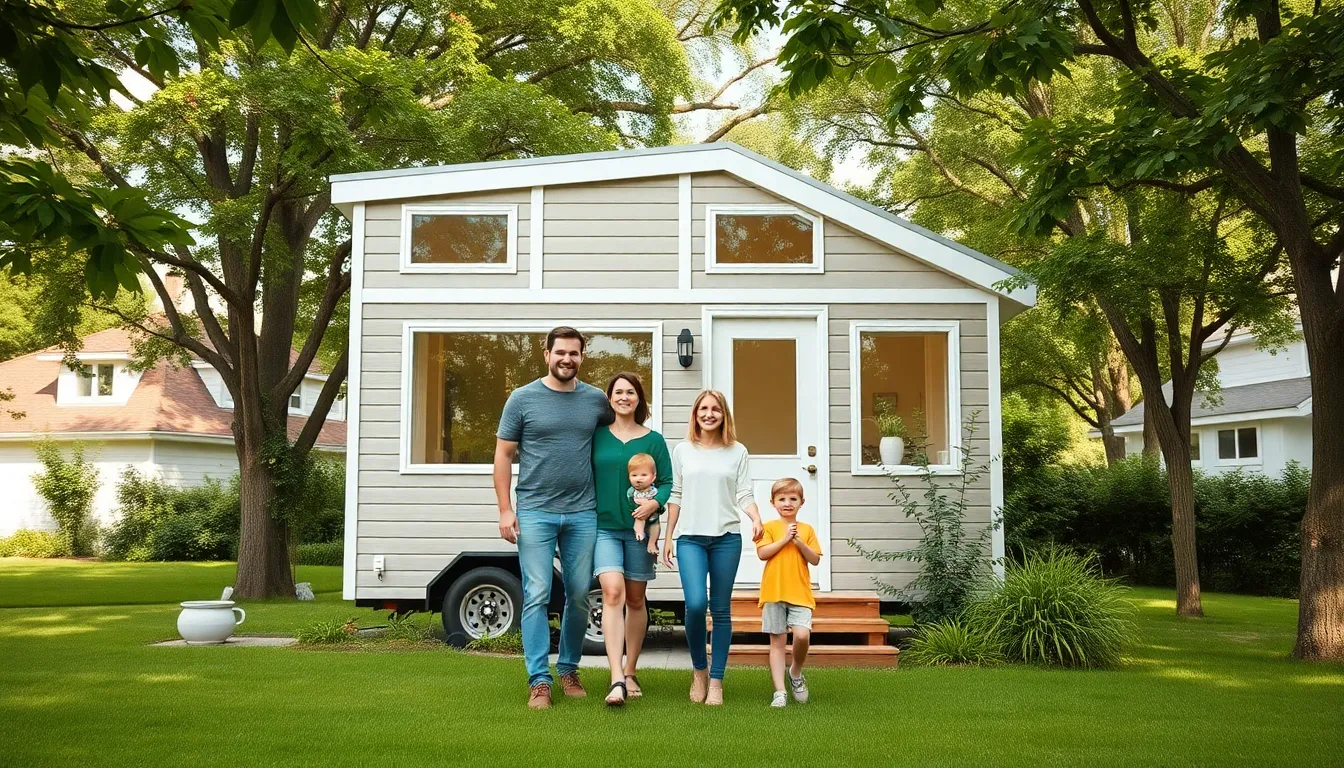
Tiny homes offer significant advantages for families, particularly in areas of cost and environmental impact. These compact dwellings enhance lifestyles by promoting financial freedom and sustainability.
Cost-Effectiveness
Cost-effectiveness ranks as a primary benefit of tiny homes for families. These homes typically cost 30% to 60% less than traditional houses, reducing mortgage or rental expenses. Lower costs extend beyond purchase prices; maintenance, utilities, and property taxes are also significantly reduced. Families can expect to save on average $100 to $200 monthly in energy bills due to smaller living spaces. These savings enable families to allocate resources toward education, travel, or savings, enhancing overall financial security.
Eco-Friendly Living
Eco-friendly living is another core benefit of tiny homes. Smaller footprints lead to lower resource consumption, decreasing a family’s carbon footprint. These homes often incorporate sustainable materials and energy-efficient appliances, reducing environmental impact. Families can install solar panels, which can cut energy costs even further. On average, tiny homes generate 50% less waste than traditional homes due to efficient use of resources. Additionally, features like composting toilets and rainwater collection systems contribute to a more sustainable lifestyle. Families adopting these practices foster a strong sense of environmental responsibility while enjoying the advantages of a simplified way of living.
Designing Tiny Homes for Family Needs
Designing tiny homes for families requires a keen focus on maximizing space and functionality. Families can create comfortable environments that cater to their unique lifestyles through thoughtful planning and innovative design choices.
Space Optimization
Space optimization plays a crucial role in tiny home design. Families can implement various strategies to maximize every square foot.
- Vertical Storage: Utilize vertical space by incorporating shelves, cabinets, and hooks. This approach keeps the floor area clear while providing ample storage.
- Open Floor Plans: Design open layouts to enhance movement and create a sense of spaciousness. Fewer walls make tiny homes feel larger and more inviting.
- Zoning Areas: Create specific zones for different activities, such as sleeping, cooking, and playing. Defining spaces through furnishings, colors, or rugs helps families maintain organization.
- Natural Light: Install large windows and skylights to introduce natural light, making interiors appear more open and airy.
Multi-Functional Furniture
Multi-functional furniture serves as a key component in maximizing the usability of tiny homes. Families can choose furniture that meets multiple needs.
- Sofa Beds: Consider sofa beds to accommodate guests without sacrificing space. Foldaway designs provide comfort and flexibility.
- Storage Ottomans: Use storage ottomans for seating and hidden storage. They double as space-saving solutions in living areas and bedrooms.
- Convertible Tables: Opt for expandable or drop-leaf tables that adjust size based on family needs. These tables allow for dining, gaming, or working while conserving space.
- Murphy Beds: Install Murphy beds to free up floor space during the day. This design transforms a bedroom into a functional living area.
Through space optimization and multi-functional furniture, tiny homes can fulfill the diverse needs of families while fostering a cozy and efficient living environment.
Challenges of Tiny Living for Families
Tiny living presents unique challenges for families, particularly in managing space and navigating zoning regulations. Understanding these obstacles is crucial for families considering the tiny home lifestyle.
Space Limitations
Space limitations pose significant challenges for families living in tiny homes. With square footage typically ranging from 100 to 400 square feet, accommodating family needs can be difficult. Families often face constraints in storing belongings, leading to necessary decluttering and downsizing. Prioritizing essential items becomes crucial, as families must maximize available space through innovative storage solutions. Examples include built-in cabinets, under-bed storage, and wall-mounted shelves, which help to keep living areas organized and functional. Additionally, configuring living spaces to serve multiple purposes is essential, such as using a dining table as a workspace or a play area. Managing everyone’s needs effectively within limited space requires family communication and compromise.
Zoning Regulations
Zoning regulations frequently complicate the establishment of tiny homes, impacting families’ ability to live in these structures legally. Many areas enforce laws limiting minimum house sizes, creating obstacles for tiny home adoption. Families may encounter strict building codes and requirements for foundations, utilities, and permitted land types. Researching local laws and regulations before purchasing or building a tiny home is essential to avoid legal issues and ensure compliance. Navigating these obstacles requires families to work with local officials or consider zoning variances where possible. Understanding these regulations facilitates smoother transitions to tiny living, aligning family goals with community guidelines.
Success Stories
Numerous families thrive in tiny homes, embracing a lifestyle that emphasizes connection and sustainability. These success stories showcase the diverse ways families adapt to small spaces while enhancing their quality of life.
Families Thriving in Tiny Homes
Families across the country report positive experiences living in tiny homes. The Nguyen family converted a 300-square-foot trailer into a welcoming home, utilizing space-saving design elements to accommodate their four-member household. They incorporated a fold-out dining table and built-in storage, allowing them to maintain functionality while enjoying family meals.
Similarly, the Smiths built a custom tiny home, featuring a lofted bedroom for parents and a play area below for their two children. This design promotes family interaction while ensuring each member has personal space. Their energy-efficient setup includes solar panels and motion-activated lights, minimizing their environmental impact and monthly utility costs.
Community Impact
The tiny home movement fosters community engagement and strength. In Asheville, North Carolina, a tiny home village provides affordable housing options for families in need. This inclusive community promotes resource-sharing and cooperation, as residents frequently host events and workshops, helping each other with maintenance and skill development.
Additionally, urban areas adopt tiny homes as solutions to housing shortages. Communities like Seattle support zoning changes that allow tiny home developments, ensuring families can access affordable housing while contributing to revitalizing neighborhoods. These initiatives create vibrant ecosystems, enhancing social connectivity among residents.
Tiny homes offer families a unique opportunity to embrace sustainable living while fostering deeper connections. By prioritizing functionality and creativity, these compact spaces not only reduce financial burdens but also promote a lifestyle centered around shared experiences. As families navigate the challenges of tiny living, they discover innovative solutions that enhance organization and comfort.
The tiny home movement reflects a shift toward conscious living and environmental responsibility. With increasing community support and a focus on quality over quantity, families can thrive in these smaller spaces. Ultimately, tiny homes provide a pathway to a more fulfilling and connected family life, making them an appealing choice for those ready to embrace a simpler way of living.