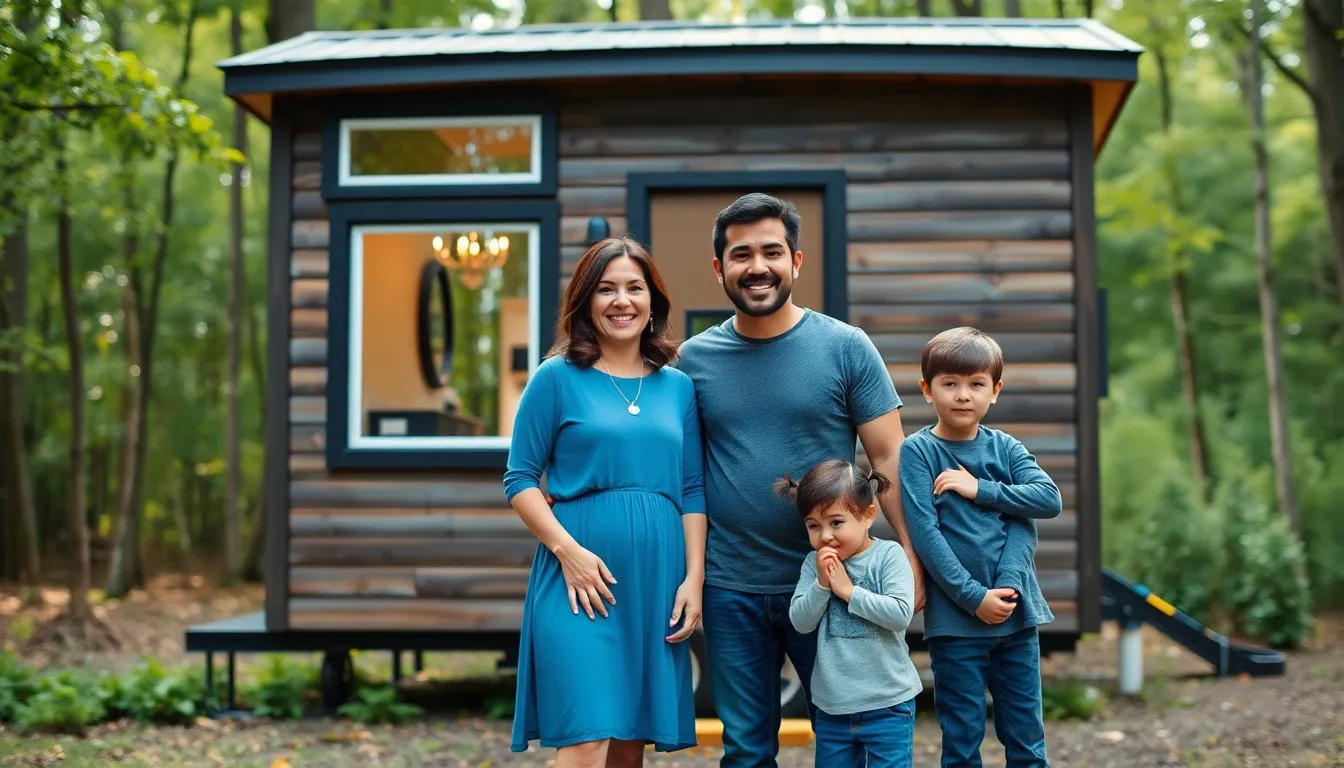
The tiny home movement is reshaping the way people think about living spaces. With rising housing costs and a growing desire for minimalism, more individuals are embracing the charm and practicality of downsizing. These compact dwellings offer creative solutions for modern living while promoting sustainability and financial freedom.
As trends evolve, tiny homes are becoming more than just a passing fad. Innovative designs, eco-friendly materials, and multifunctional spaces are at the forefront of this lifestyle shift. From mobile tiny homes to stylish stationary models, the options are endless for those looking to simplify their lives. Exploring these trends reveals not just a shift in housing but a broader cultural change towards conscious living.
Overview Of Tiny Home Trends
Tiny homes are compact living spaces, typically under 400 square feet. They reflect a lifestyle focused on minimalism, affordability, and sustainability.
Definition Of Tiny Homes
Tiny homes encompass a range of dwellings, including mobile homes and fixed structures, that maximize limited space. According to the American Tiny House Association, tiny homes can vary in size and style, but they share core principles of efficiency and simplicity. Features often include multi-functional furniture, energy-efficient appliances, and creative storage solutions.
Popularity And Growth
The tiny home movement has gained traction, with a 70% increase in interest since 2015, according to Google Trends data. Factors driving this growth include rising housing costs, the quest for financial freedom, and the desire for simpler living. Communities and developments dedicated to tiny homes are emerging, promoting shared resources and environments that foster a sense of belonging.
Design Innovations In Tiny Homes
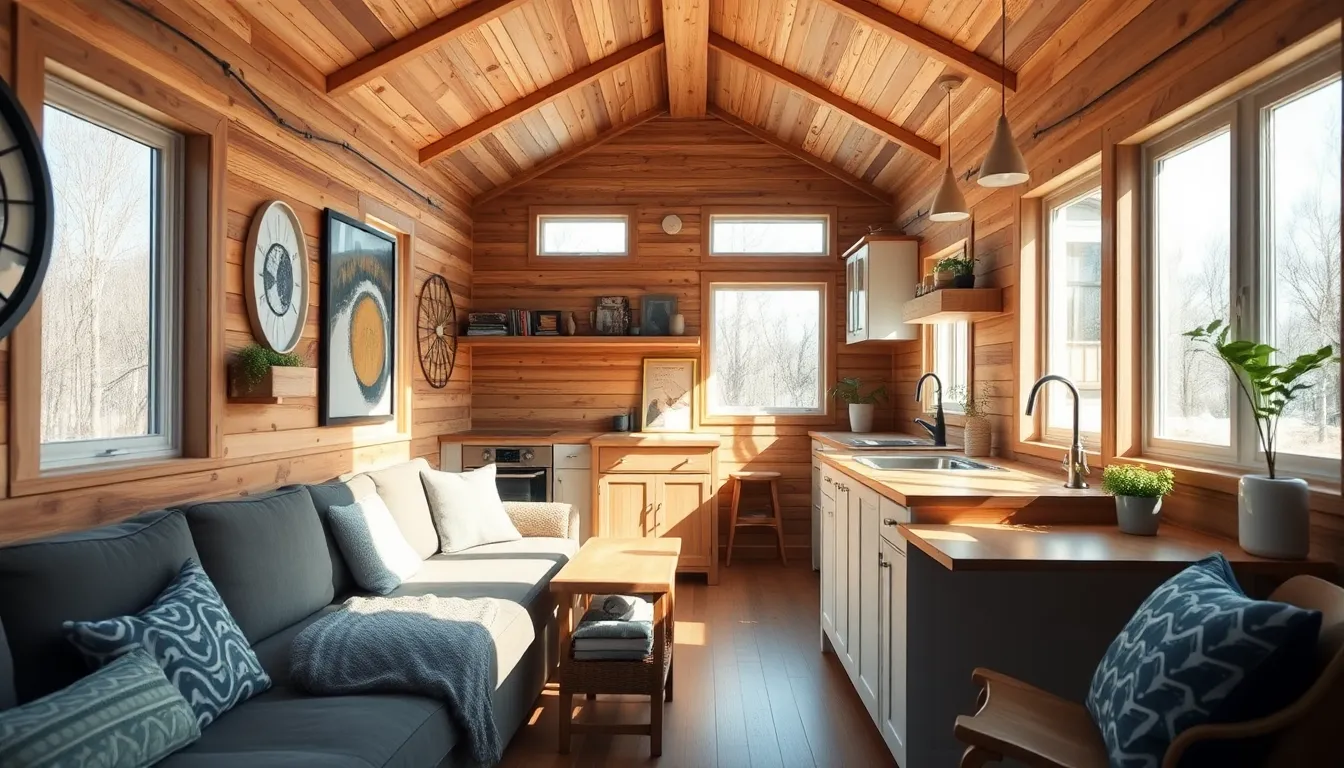
Design innovations in tiny homes continue to reshape the way people perceive and utilize living spaces. These innovations prioritize functionality, sustainability, and aesthetic appeal, enhancing both comfort and practicality.
Space-Saving Solutions
Space-saving solutions maximize the utility of limited square footage in tiny homes.
- Multi-Functional Furniture: Furniture that serves multiple purposes, such as sofa beds or extendable tables, transforms a small area into a versatile living space.
- Vertical Storage: Using wall-mounted shelves and tall cabinets optimizes vertical space, allowing for efficient storage without sacrificing floor space.
- Foldable Features: Incorporating foldable elements like Murphy beds or collapsible kitchen islands enables easy adaptation of rooms for different activities, enhancing space utilization.
- Built-In Storage: Customized built-ins, such as under-bed drawers and wardrobe nooks, help maintain a clean aesthetic while providing ample storage options.
Sustainable Materials
Sustainable materials play a crucial role in the design of tiny homes, reflecting an eco-conscious lifestyle.
- Recycled Materials: Utilizing reclaimed wood and repurposed metals minimizes waste and adds character to the home’s design.
- Low-VOC Paints: Low-volatile organic compound paint options ensure healthier indoor air quality while offering vibrant color choices.
- Energy-Efficient Insulation: Advanced insulation materials improve energy efficiency, reducing heating and cooling needs.
- Solar Panels: Integrating solar panels provides renewable energy sources, enabling homeowners to reduce their carbon footprint and utility costs.
These design innovations not only enhance the functionality of tiny homes but also align with the growing trend of sustainable living, attracting individuals seeking both practicality and environmental responsibility.
Tiny Home Communities
Tiny home communities provide residents with unique living arrangements that foster connections and enhance the tiny home lifestyle. These communities offer shared resources and amenities that align with the principles of minimalism and sustainability.
Benefits Of Living In Tiny Communities
- Affordability: Reduced living costs due to shared utilities and lower land expenses.
- Sustainability: Collective efforts in eco-friendly practices and garden spaces promote a greener lifestyle.
- Social Connection: Opportunities for community engagement and support among residents create a sense of belonging.
- Resource Sharing: Access to shared tools, appliances, and common spaces minimizes individual consumption.
- Simplified Living: Encouragement of a minimalist lifestyle enables residents to focus on experiences rather than material possessions.
Notable Tiny Home Villages
| Name | Location | Features |
|---|---|---|
| Tiny House Village | Portland, Oregon | Offers communal spaces, eco-friendly designs. |
| Escape Tiny House Resort | Hudson Valley, New York | Features scenic views and vacation rentals. |
| Tiny House Community | Spur, Texas | Home to various tiny homes, promotes innovation. |
| The Village | Asheville, North Carolina | Emphasizes sustainable living and community events. |
| Cohousing Communities | Various Locations | Foster collaborative living, often with shared gardens and facilities. |
These communities exemplify the growing trend of tiny home living, providing residents with an alternative lifestyle centered on connection, sustainability, and affordability.
Legislation And Zoning Challenges
Legislation and zoning regulations pose significant challenges for the tiny home movement. Many municipalities struggle with incorporating tiny homes within existing housing frameworks, often defining minimum square footage for residences.
Current Regulations
Current regulations vary widely across the United States, impacting tiny home viability. Local zoning laws frequently classify tiny homes as recreation vehicles instead of permanent dwellings. This classification limits where tiny homes can be placed. Some areas require building codes that complicate the construction of tiny homes, demanding expensive permits or construction standards unsuitable for smaller spaces. Furthermore, homeowners face hurdles securing financing due to these regulations, making it difficult for them to invest in tiny home living.
| State | Minimum Size Requirement | Acceptance of Tiny Homes |
|---|---|---|
| California | 120 square feet | Limited in urban areas |
| Texas | No minimum | More accommodating |
| Florida | 150 square feet | Varies by county |
| New York | 400 square feet | Limited acceptance |
| Oregon | 180 square feet | Growing support |
Advocacy For Tiny Home Movement
Advocacy groups push for changes in legislation to support the tiny home movement. These organizations promote awareness of the benefits of tiny living, highlighting affordability, sustainability, and minimalism. They actively work to influence local governments, pushing for progressive zoning laws that permit tiny home communities and facilitate easier permitting processes. Collaboration between advocates and local authorities has resulted in cities becoming more open to tiny homes as viable housing options. Initiatives like workshops and public forums aim to educate citizens and policymakers about the advantages of tiny homes, fostering a shift in perceptions regarding dense, affordable housing solutions.
Future Of Tiny Home Trends
The future of tiny homes hinges on advancements in technology and market dynamics. These factors promise to shape the evolving landscape of tiny living.
Technological Advancements
Technological advancements streamline tiny home living by enhancing comfort, efficiency, and functionality. Innovations in smart home technology facilitate the integration of automated systems for energy management and security. For example, smart thermostats and lighting systems optimize energy use and reduce utility costs. Sustainable building techniques, such as 3D printing, enable the creation of customized tiny homes at reduced builder costs and time. Additionally, advancements in renewable energy, such as solar tiles instead of traditional panels, augment aesthetic appeal while promoting eco-friendly living. Technologies focusing on water conservation, including greywater recycling systems, further support sustainable practices in tiny homes.
Predictions For The Market
Predictions indicate significant growth in the tiny home market over the next decade. Market research suggests a compound annual growth rate (CAGR) of 7.4% from 2023 to 2030, driven by consumer preferences shifting toward minimalism and affordable living solutions. Increasing interest in remote work amplifies demand for compact, mobile living arrangements. Furthermore, urban areas may witness a rise in micro-apartments and tiny home villages as municipalities adapt to housing shortages. Innovations in financing options, including peer-to-peer lending and community funding models, could support accessibility for potential tiny homebuyers. As lifestyle preferences evolve, more individuals will likely embrace the benefits of tiny home living as a viable and sustainable choice.
The tiny home movement continues to gain momentum as individuals seek more sustainable and affordable living solutions. With innovative designs and a focus on minimalism, tiny homes offer a practical alternative to traditional housing. As communities form around these compact dwellings, residents enjoy enhanced social connections and shared resources, further enriching their lifestyles.
While challenges remain in terms of regulations and financing, advocacy efforts are paving the way for a more inclusive future. As technology advances and societal preferences shift, tiny homes are poised to become a significant part of the housing landscape. Embracing this trend allows individuals to prioritize experiences over possessions, fostering a lifestyle centered on simplicity and sustainability.